Cool Season Lawn Fertilization Weed Control in Grafton
Cool Season Lawn Fertilization for Grafton Homeowners
Grafton is one of York County’s most active residential communities, where newer subdivisions sit alongside established neighborhoods in a suburban landscape that takes lawn quality seriously. Proximity to Williamsburg and the York River corridor gives Grafton its tree-lined streets and strong curb-appeal culture. Tall fescue is the standard across most Grafton properties, and with the right 7-round fertilization and weed control program, it can deliver outstanding density and color through every season. Our Grafton programs are built for the specific grass type, soil condition, and weed pressure at each address. A free soil test and inspection up front guide the first-year plan, and every round is adjusted across the year based on observed response.
Cool Season Grass Performance in Grafton
Tall fescue is the grass of choice in most Grafton neighborhoods because it handles York County’s humid summers better than other cool season varieties while staying green and attractive through fall and into winter. Newer Grafton developments often feature turf-type fescue blends that offer enhanced disease resistance and density over older varieties. Fine fescue is the right choice for shaded areas under the pines and oaks common throughout the community. All three grow most actively when soil temperatures fall between 50 and 65°F, which aligns with fall and early spring in Grafton. Summer heat naturally slows them. Identifying your specific variety is the first step in building a 7-round program that actually works with the grass.
The Right Fertilization Schedule for Grafton Lawns
For Grafton’s cool season lawns, the most productive fertilization windows are fall (September through November) and early spring (late February through April). Fall is the most critical — this is when fescue roots grow deepest and store the energy that sustains the lawn through winter and drives visible spring green-up. Our 7-round program is structured around those cycles: Round 1 in late January / February, Rounds 2 and 3 through peak spring, Rounds 4 and 5 using a 5-0-30 slow-release formula through summer heat to support roots without forcing top growth, and Rounds 6 and 7 in fall and early winter to build reserves. We track local soil temperature data to schedule every application at the right moment rather than on a fixed calendar.
Pre-Emergent Weed Control in Grafton
Preventing weeds before they germinate is always more effective than eliminating them after they establish, and Grafton’s mix of newer thinner lawns and established properties creates a range of pre-emergent needs. Our pre-emergent is Prodiamine, applied as soil temperatures approach 55°F — typically mid-March — to block crabgrass, foxtail, and other summer annual weeds. Because Prodiamine provides 6–8 weeks of control per application, our 7-round program includes it in both Round 1 and Round 2 — overlapping coverage through the critical spring germination window. A late-summer or early-fall application blocks winter annuals like annual bluegrass and chickweed. On newer Grafton lots with thin turf, this protection is especially important.
Post-Emergent Weed Control for Grafton Lawns
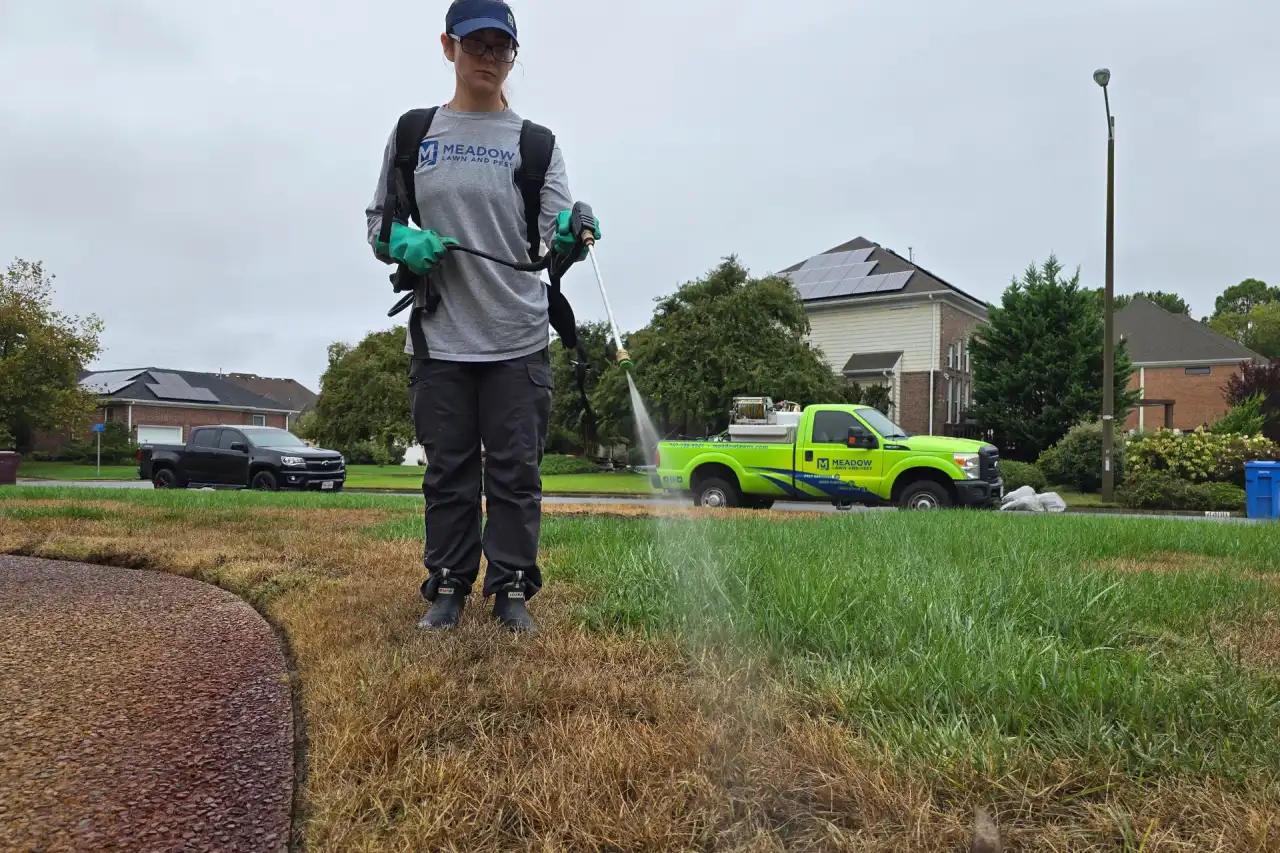
When weeds are already growing in a Grafton lawn, targeted post-emergent herbicides remove them without harming the surrounding turf. We identify every weed species present before selecting a product, ensuring we match the right chemistry to each target. Broadleaf weeds like dandelion, clover, and plantain respond to selective broadleaf herbicides. Wild violet in shaded spots under Grafton’s trees can be stubborn and may need specialty products over multiple visits. Crabgrass treated early with the right post-emergent can be controlled before it drops seed. Most broadleaf weeds show visible decline within 7–14 days of a correctly applied treatment at temperatures between 55 and 85°F. Our re-treatment policy waits 21 days before a complimentary spot re-service. Nutsedge and dallisgrass are quoted separately.
Get A Quote
Ready to get started? Fill out the form or contact us at the phone number below to get started.
Weeds Found in Grafton Lawns
Grafton lawns face weed pressure from a mix of sources common to York County’s suburban landscape. Crabgrass is the most prevalent summer annual, filling thin spots and edges rapidly during the warm months. Dandelion and clover are widespread across most properties year-round. Annual bluegrass appears in fall in cool, open areas. Wild violet is a persistent challenge in the shaded sections of many Grafton yards and typically requires specialty herbicide over multiple applications. Nutsedge shows up in low spots or areas where irrigation or rain leaves soil saturated — specialty chemistry quoted separately. Chickweed carpets bare areas through winter and early spring. On newer Grafton lots where turf is still maturing, consistent Prodiamine pre-emergent is especially effective at preventing weed establishment before the lawn develops density.
Fall Lawn Treatments for Grafton Properties
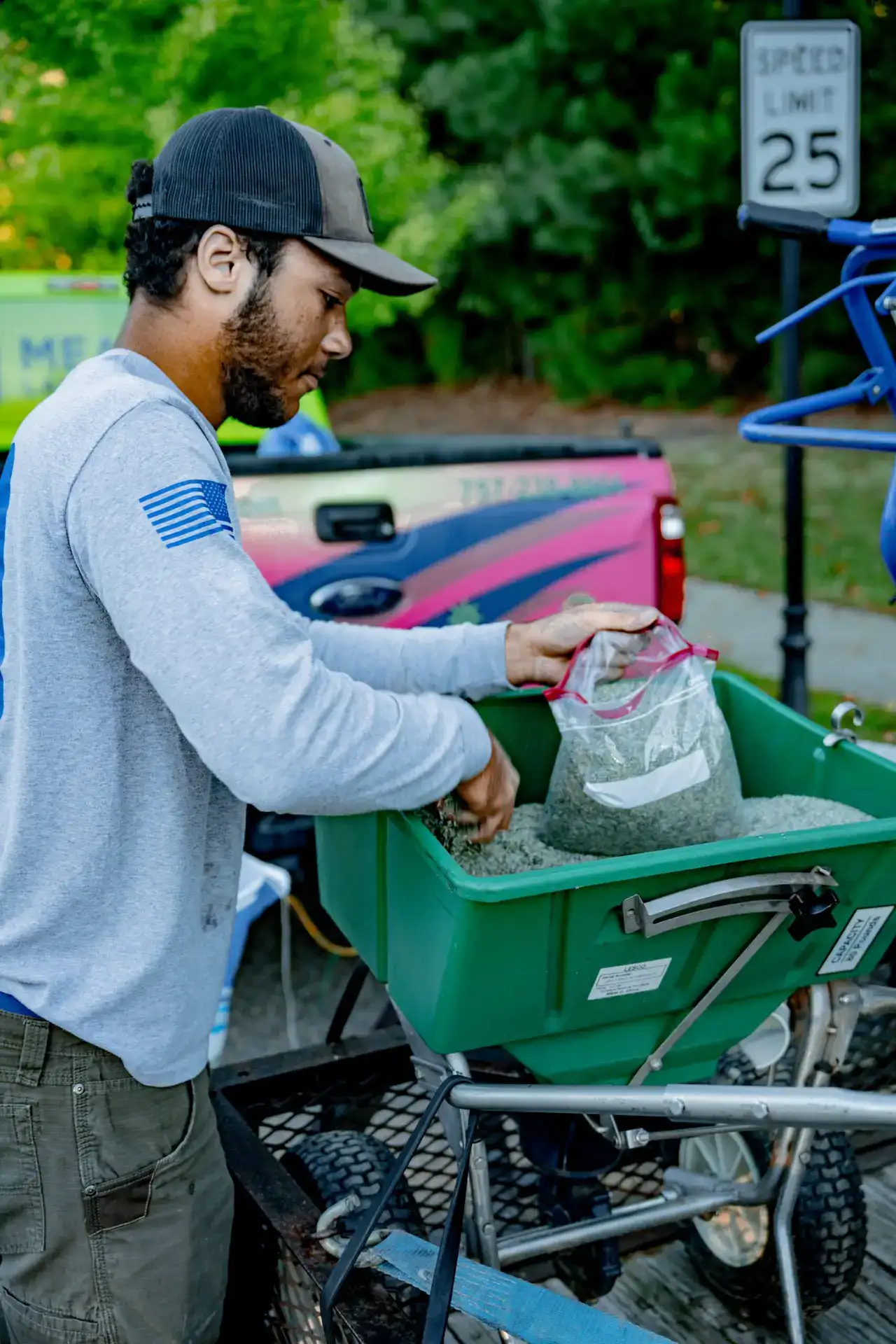
Fall is when cool season lawn programs in Grafton deliver their most lasting results. September through November gives tall fescue the conditions it needs — cooling air and soil temperatures, adequate moisture, and no heat stress — to build deep roots and energy reserves. Round 6 of our 7-round program (October–November) is 32-0-15 slow-release fertilizer for root development and winter hardiness, timed after aeration and overseeding and intentionally without herbicide so newly seeded areas are protected (herbicide can be added in Round 6 on request if no overseeding is planned). Round 7 in November / December adds nitrogen and a post-emergent for winter annuals. For Grafton properties with thin or bare areas, early-fall overseeding fills gaps with new grass while soil temperatures remain warm.
Spring Lawn Care for Grafton Properties
Spring lawn care in Grafton focuses on supporting dormancy break with the right fertilizer, blocking crabgrass and summer weeds before they germinate, and cleaning up any winter weeds before they spread. Round 1 (late January / February) combines nitrogen with Prodiamine pre-emergent and post-emergent herbicides. Round 2 (March / April) adds a second nitrogen application and another Prodiamine application for continuous coverage through the crabgrass germination window. Round 3 (late April / May) layers in slow-release nitrogen with iron and potassium plus spot treatment for breakthrough weeds. Spring is also the right time to evaluate winter damage and plan overseeding or aeration for early fall. Getting the lawn growing densely in spring is one of the most effective strategies for reducing summer weed pressure.
Soil Conditions in Grafton Neighborhoods
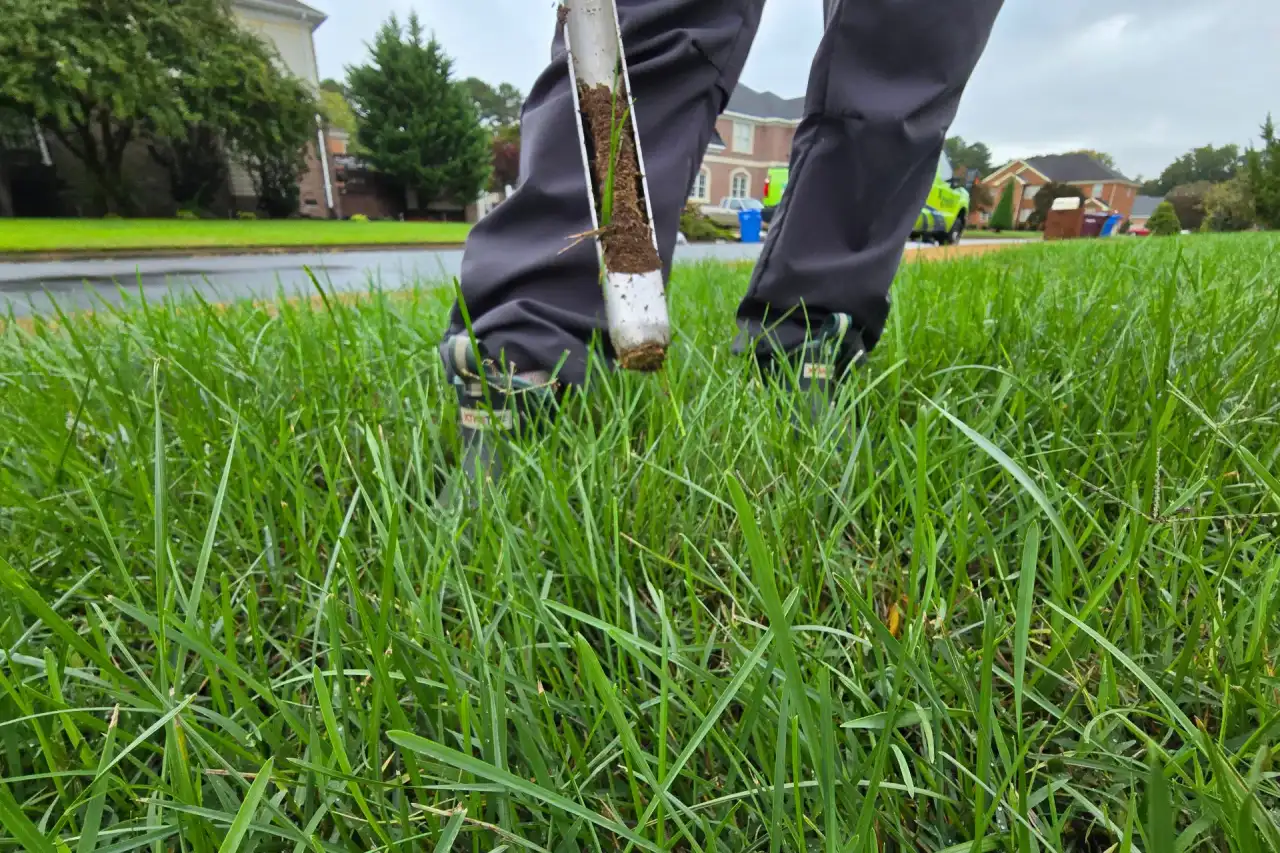
Grafton’s soil conditions reflect the community’s mix of new and established development. Newer lots frequently have shallow topsoil over compacted subsoil from grading during construction, which limits root depth and makes fertilizer less effective until the underlying compaction is addressed. Core aeration is often a strong early recommendation. Established Grafton yards may have accumulated thatch over time, which can block water and fertilizer from reaching the root zone. Soil pH is a factor in both old and new properties — acidic soils below 6.0 tie up nutrients and reduce what the lawn can absorb. Every Grafton lawn starts with a free soil test that checks pH, N-P-K, organic matter, and micronutrients, with written results reviewed before Round 1 begins.
Product Safety Standards in Grafton
We apply the same rigorous product safety standards to every Grafton property we service. All herbicides and fertilizers are EPA-registered and applied at label rates and methods — federal law (“the Label is the Law”) requires strict compliance. After liquid herbicide applications, people and pets should avoid treated areas until the product dries, generally 1–2 hours in normal weather. Granular fertilizer is safe for foot traffic once watered into the turf. We keep full application records for every property so you always have access to information about what was used and when. Weather restrictions are enforced: no applications with winds over 15 mph, within 2 hours of forecast rain, above 90°F, or below 32°F for post-emergents. Applying products responsibly protects the waterways that flow through York County.