
Lawn Renovation Site Preparation in Suffolk
What Is the Lawn Renovation & Site Preparation Program?
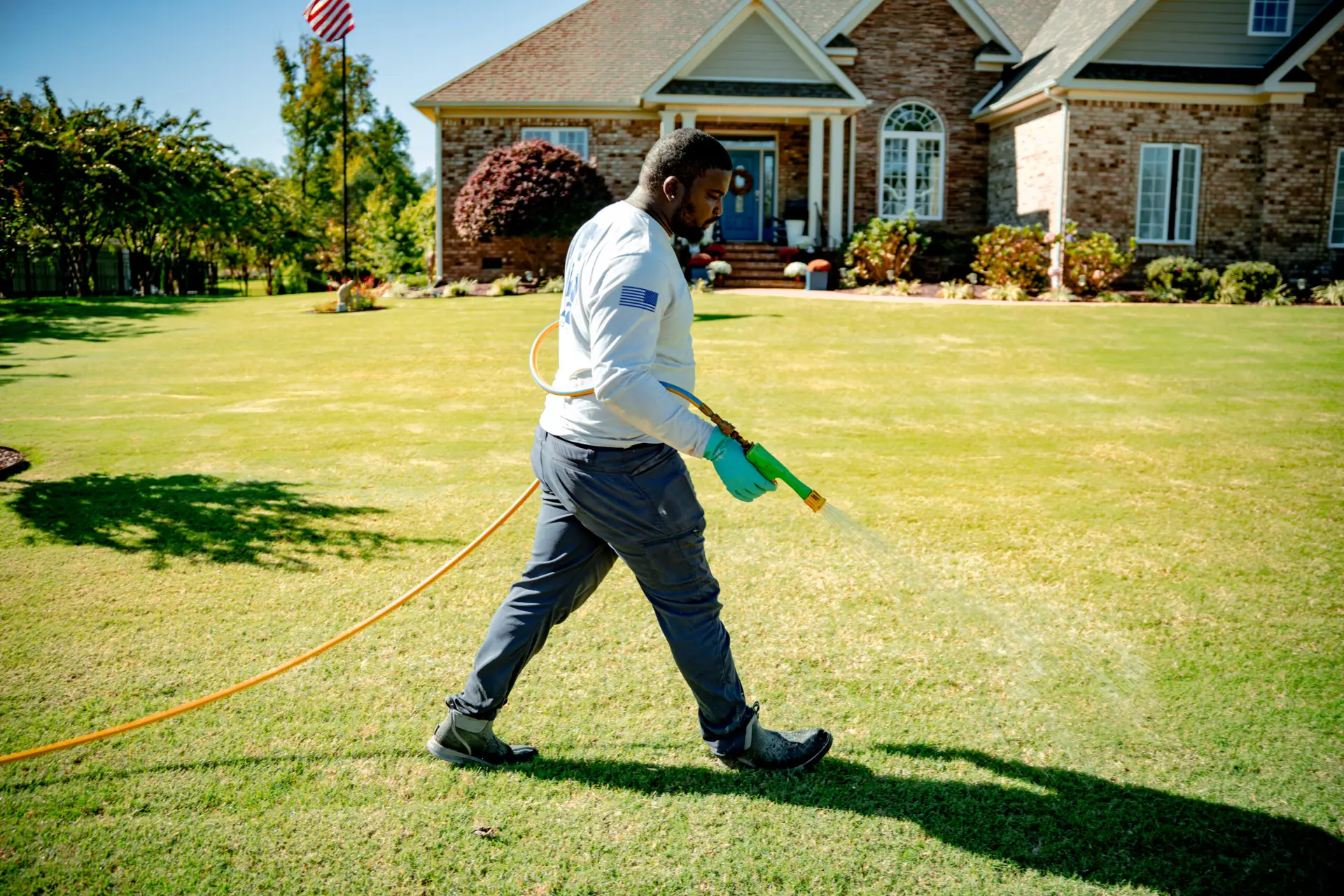
Meadow Lawn & Pest's Lawn Renovation & Site Preparation Program provides Suffolk homeowners with a professional solution for lawns that have deteriorated beyond what standard treatments can restore. This two-application non-selective herbicide service completely eliminates all existing vegetation -- weeds, invasive grasses, and diseased turf -- so the lawn can be rebuilt from scratch. Using glyphosate in two rounds approximately 14 days apart, Round 1 eliminates the bulk of vegetation and Round 2 targets regrowth for a complete kill. The program is recommended when 50 percent or more of a lawn is undesirable, and it prepares the site for seeding or sodding without including debris removal, seeding, or installation.
When Do You Need a Full Lawn Renovation?
A full lawn renovation is the right choice for Suffolk properties when weed pressure, invasive grasses, or lawn damage has gone beyond what standard fertilization and weed control can fix. If 50 percent or more of your lawn is made up of weeds, Bermuda or crabgrass invading a fescue lawn, nutsedge, or nimblewill, treating around the problem will not produce lasting results. Suffolk properties bordering agricultural land or natural areas also face persistent reinvasion from wild grasses and broadleaf weeds that re-establish quickly in open turf. Renovation candidates include lawns with disease or pest damage, heavy thatch buildup, and new construction sites with compromised soil profiles from fill and grading activity.
How the Two-Application Process Works
The Lawn Renovation & Site Preparation Program in Suffolk uses two glyphosate applications spaced approximately 14 days apart. Round 1 applies herbicide across the full targeted lawn area. The product absorbs through leaf tissue and translocates throughout the plant -- from leaves to stems to roots -- killing the entire plant rather than just top growth. Visible browning begins within 3 to 7 days of Round 1. Round 2 treats any vegetation that regrew, survived the first application, or was in a growth stage that reduced initial absorption. Mowing between Round 1 and Round 2 is not permitted -- removing leaf tissue before translocation is complete reduces treatment effectiveness significantly.
Why Two Applications -- Not One -- Are Required
A single herbicide treatment is rarely sufficient for the thorough vegetation kill Suffolk lawns need before successful renovation. Plants at different growth stages absorb glyphosate at different rates, and species like Bermuda grass, nutsedge, and deep-rooted perennial weeds can regenerate from roots and rhizomes even after above-ground portions appear dead. Round 2 treats this regrowth before it re-establishes. The 14-day interval is designed to allow full root translocation from Round 1 while keeping regrowth fresh enough for effective second-round absorption. For particularly dense or persistent vegetation -- common on Suffolk properties near agricultural edges -- a third application is available at the standard per-application rate.
Timing: When Is This Service Performed?
Renovation timing in Suffolk depends on the grass type planned for establishment after treatment. Warm season Bermuda renovations are performed in late spring during the active growing season when herbicide absorption and translocation rates are highest. Cool season fescue renovations are timed to late summer or early fall, clearing the site ahead of the optimal fall seeding window. Applications are postponed when wind speeds exceed 10 to 15 miles per hour, temperatures fall outside the 50 to 85 degree range, or rainfall is expected within 6 to 24 hours. Suffolk's more inland location can produce faster temperature shifts in early fall, which Meadow factors into scheduling to ensure effective treatment timing.
Get A Quote
Ready to get started? Fill out the form or contact us at the phone number below to get started.
What Happens After the Treatments Are Complete
After Round 2 in Suffolk, allow 14 to 21 days for herbicide to finish translocating through root systems and for complete plant death to occur before beginning site preparation. Do not seed or sod until all vegetation is fully brown and dead. Once complete kill is confirmed, remove all dead vegetation, thatch, and debris before seeding or sodding begins. Dead material removal is the homeowner's responsibility and is not included in this program. Glyphosate breaks down naturally in the soil and does not persist long enough to affect new seed germination once the site is cleared and prepared. Suffolk's larger lot sizes may require phased post-renovation work for manageable project completion.
How to Prepare Before Each Application
Before each application at your Suffolk property, do not mow for several days -- vegetation must be at least 3 to 4 inches tall for effective herbicide absorption. Between Round 1 and Round 2, avoid mowing entirely. Ensure all gates are unlocked and the full lawn is accessible on service day. Secure pets indoors during treatment and keep people and pets off the treated area until products are completely dry, typically 2 to 4 hours after application. Remove heavy debris covering more than 30 percent of the lawn, as it prevents the herbicide from reaching vegetation. Mark shallow irrigation heads or underground systems before the visit. Suffolk's larger properties may require confirming all access points in advance.
Safety, Weather & Site Requirements
Glyphosate is an EPA-approved herbicide with a well-established safety profile when applied according to label directions. Meadow Lawn & Pest does not perform applications in Suffolk when wind speeds exceed 10 to 15 miles per hour, when temperatures fall outside the 50 to 85 degree range, or when rainfall is expected within 6 to 24 hours. Service is postponed when soils are saturated from recent rain. Applications will not begin if gates are locked, pets are unsecured, or debris covers more than 30 percent of the lawn. A rescheduling fee applies if the technician arrives and the property is not accessible or site conditions prevent safe and effective application.
Lawn Renovation Timing for Suffolk Properties
Suffolk's expansive geography -- spanning agricultural edges, newer waterfront communities in Harbour View, and older downtown neighborhoods -- creates widely varying lawn renovation needs. Properties near farm fields and natural land deal with aggressive encroachment from wild grasses, broadleaf weeds, and volunteer vegetation that quickly invades open turf areas. Suffolk's more inland location means summer temperatures can remain elevated through early September, supporting vigorous weed growth that makes the two-round kill essential. For fescue renovations, the late August to mid-September window works well across most Suffolk areas. Bermuda renovations are best started in late May across the city's open, sun-heavy properties. Meadow factors Suffolk's temperature patterns into scheduling Round 1 to maximize herbicide absorption.
What to Expect After Renovation in Suffolk
After the renovation program is complete, Suffolk homeowners have a cleared site ready for quality turf establishment. For Suffolk's larger properties, planning the post-renovation seeding or sodding in sections can make the project more manageable. Tall fescue performs well across most Suffolk lawns, especially in areas with moderate shade from established trees. For the newer Harbour View and Burbage Grant communities, Bermuda grass is a strong choice for open, sun-exposed yards with heavy foot traffic. Suffolk's heavier clay soils in many areas benefit significantly from core aeration before seeding to improve germination and reduce future compaction. Meadow Lawn & Pest serves all Suffolk neighborhoods and can coordinate a follow-up aeration and overseeding visit to complete the rebuild.
Hear From Our Happy Customers
If you need top-notch lawn care, professional landscaping, effective outdoor pest control, or help from an irrigation expert, Meadow Lawn & Pest is the #1 lawn and pest team to call in Carrollton, Smithfield, Northern Suffolk, and nearby areas of Virginia.
Chris A is tremendous. He came out, gave me a fair quote, and quickly resolved my issue. He also accommodated me by fulfilling a last minute request. He was friendly and professional every step of the way. Meadow as a company ALWAYS exceeds my expectations. The staff is always friendly, respectful of their clients time and offer fair pricing. Please consider them for all landscaping needs. In my opinion they are truly a trustworthy company that truly care about their customer’s needs.
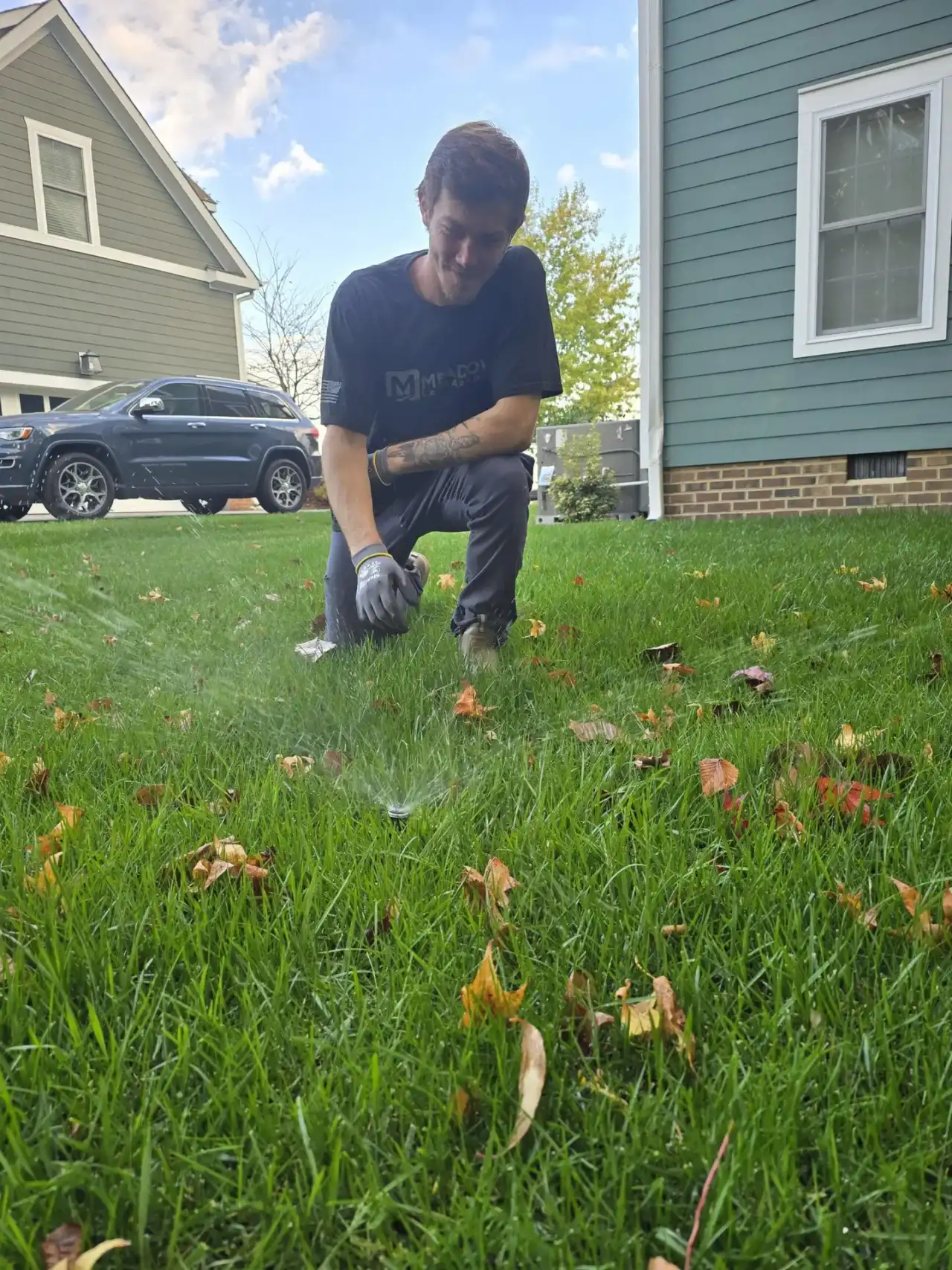
Needed my irrigation heads relocated and checked for leaks. They did a great job and worked very efficiently. I plan on using them for winterization and any other needs going forward! Update: after my service I received a mailed hand written thank you card with a sweet message and informational papers. I don't remember the last time I had a company take the time to do that. They showed they valued my business and time from start to finish. I feel like it is rare to see true customer service anymore, very nice touch!
Meadow Lawn has been my one-stop shopping. I have a contract for Lawn treatments, and my yard is looking great. I had them cut back eleven crepe myrtle trees. They put down eleven yards of mulch and completed a flower bed for me. They have the best and most courteous staff. The guys are professional and always want to make sure it meets my approval. I highly recommend them to anyone looking for a fantastic lawn and landscaping.
“I had my Christmas lights installed and the service was outstanding. The technician Daniel F, arrived on time, was professional, and took real care with the placement of every strand. He offered great suggestions, made sure everything looked balanced and secure, and worked efficiently without rushing. My house looks beautiful and festive — even better than I imagined. I’m truly impressed with the quality and attention to detail. I highly recommend their holiday light installation service!”
I can’t recommend Meadow enough! We recently had our driveway redone, which included removing a large tree and several shrubs from a landscaped bed in the middle of the driveway. Unfortunately, the tree company accidentally damaged multiple irrigation lines during the process. We called Meadow, and Emmett came out immediately on an emergency call so the concrete crew could keep working. As the project continued, more irrigation issues kept popping up from additional damage caused during the driveway work. Every single time we called, Meadow responded the very same day and got everything repaired quickly so the project could stay on schedule. Everyone we spoke with, both on the phone and in person, was incredibly kind, professional, and courteous. Their customer service is top-notch, and their technicians are outstanding. We truly appreciated their responsiveness and willingness to help during a stressful project. We will continue to use Meadow for all our irrigation needs in the future and highly recommend them!!
Chris did an amazing job with all my sprinkler problems! He was professional, knowledgeable, hard working, and very kind. It is very hard to find good help these days and Chris with Meadow Lawn and Pest was outstanding! I highly recommend him and Meadow!