
6 Types of Organic Mulches
Sustainable lawn care and landscaping cannot be achieved without organic mulches and mixes to promote your soil's nourishment, roots' cool temperature and weeds/pests barriers. Some organic mulches decompose faster, being perfect fertilizers, while others decompose slower, being recommended for their aesthetic role and strength against weeds, pests or diseases.
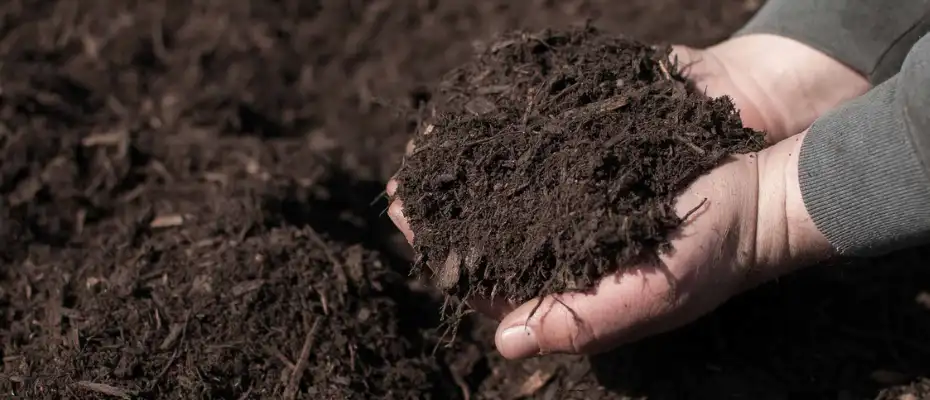
Our lawn care Carrollton, VA specialists offer you a crash course in six types of organic mulches you can use this season for fertilization and protection purposes.
Top Organic Mulch Options for Your Lawn
1. Grass Clippings
Collect grass clippings after you mow the lawn, let them dry a little and mix them with dry leaves, straw or shredded bark to make highly nutritious mulch for your flower beds and trees. Apply a one inch top layer, as the clippings can mat together obstructing natural air flow. Mixing them with other vegetal debris circumvents compaction.
2. Shredded Leaves
Fallen leaves should be carefully collected and let to dry well. After shredding them with your mower you can apply them in a 1–2 inch thick layer in tree plantings and flower beds. Such mulch is highly nutritious and protective, but leaves scatter, so you may want to sprinkle some fresh soil over them to keep them in place.
3. Shredded Bark
Recommended for its aesthetic and protective purposes, bark doesn't decompose fast, making it less suitable as a fertilizer. However, it makes an excellent barrier against weeds and pests. Mix shredded bark with grass clippings or shredded leaves for fertilization. For more protection, mix bark with landscape fabric and lime to balance acidity.
4. Seaweed
Fresh seaweed makes an excellent organic fertilizer, soil insulator and pest repellent — especially against snails. It can decompose quickly, leaving dry soil patches. Enhance fresh seaweed with grass clippings or straws to avoid compaction. If plants are sensitive to salt, rinse seaweed before applying it as mulch.
5. Buckwheat Hulls
Excellent organic mulch from both an aesthetic and a fertilization point of view. It keeps soil moisture balanced, keeps roots cool and safe from weeds or pests, and looks great too. Ideal for visible areas of your lawn. Use in flower beds and tree plantings exposed to the sun — it reflects heat well. Mix with coarser mulches and apply no more than 2 inches thick.
6. Straws
Straws may contain weed seeds, so choose a clean variety. They make good mulch for trees as they reflect heat well due to their light color — recommended for plantings in the sunniest areas of your property. It can scatter easily, so mix with coarser mulches. Straws give the landscape a retro-country look.
Need Help Choosing the Right Mulch?
Mulches come in plenty of varieties and mixes. Ask your lawn care Carrollton, VA specialists to give you a hand with choosing the best types and learning how to correctly apply them.