
Mole Control & Repellent
What Is the Lawn Mole Repellent Prevention Program?
The Lawn Mole Repellent Prevention Program is a preventative and suppression-based service designed to deter moles from your turf and reduce tunneling activity before it causes widespread damage. Unlike lethal control programs, this program uses Repellex — a professional-grade, castor oil-based repellent — applied directly to your lawn to create an environment that moles instinctively avoid. Repellex works by targeting a mole’s senses of smell and taste, making the soil and food sources in treated areas unappealing. This is a phased program that gradually displaces moles from active areas and then expands coverage across the entire lawn to eliminate safe zones. It is most effective when applied consistently and is available to both residential and commercial turf customers.
How Repellex Works — The Science Behind Non-Lethal Mole Displacement
Repellex Mole Repellent is a professional-grade product specifically formulated for turf application. Its active ingredient, castor oil, is naturally aversive to moles because of its strong scent and bitter taste. When applied to your lawn, Repellex penetrates into the soil and affects both the smell of the treated area and the taste of food sources like earthworms and grubs that moles depend on. Moles encounter the treated soil during normal tunneling, find it unpleasant, and gradually move away from the area. Unlike retail castor oil products, Repellex is formulated for deep soil penetration using calibrated commercial equipment, ensuring even distribution at effective rates across your entire treatment area. It does not harm moles, pets, people, or beneficial soil organisms — it simply makes your lawn an unwelcoming place for moles to live.
The Three-Phase Displacement Strategy — How the Program Is Structured
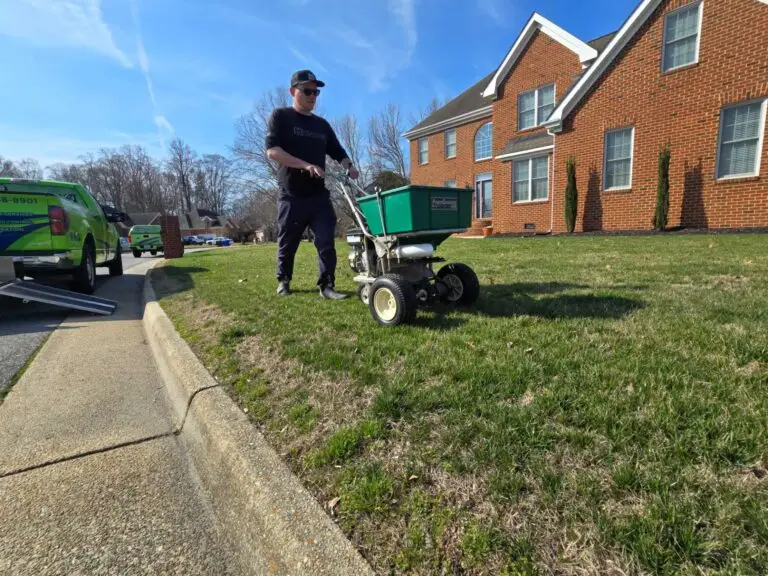
The program follows a structured, three-round displacement phase followed by ongoing maintenance treatments. Round 1 targets the areas of your lawn with the highest mole activity, beginning the displacement process where it’s needed most. Round 2, applied four weeks later, expands coverage to additional turf areas — this is a critical step that prevents moles from simply relocating to untreated sections of your lawn rather than leaving the property entirely. Round 3, four weeks after Round 2, covers the entire lawn with full-barrier coverage, eliminating any remaining safe zones. Once the displacement phase is complete, ongoing maintenance applications every six weeks keep the deterrent barrier active and prevent new moles from migrating in from neighboring properties. Treatment timing is based on observed mole activity and soil conditions, not fixed calendar dates.
Contact Us To Get Started Today
We’re the most trusted lawn & pest company in the Chesapeake and surrounding areas.

What Results Can You Realistically Expect — and When?
Displacement is a gradual process — moles don’t leave immediately after the first application. During Rounds 1 and 2, you may actually see moles shift activity to untreated areas of the lawn, which is expected and the reason the phased expansion strategy exists. After Round 3 establishes full-lawn coverage, most customers notice a significant reduction in new tunnel formation within 4 to 6 weeks. Success is measured by the absence of new tunneling activity, not the disappearance of existing tunnels — old ridges and mounds remain visible until they naturally collapse through mowing and weather over time. Complete elimination cannot be guaranteed because moles are wild animals influenced by food availability, neighboring properties, and soil conditions. If significant new activity continues 4 or more weeks after Round 3, we’ll evaluate and adjust the approach.
How This Program Differs From Lethal Mole Control
This is a repellent-based program focused entirely on displacement and prevention — it does not include trapping or lethal elimination. Repellex encourages moles to relocate away from treated areas rather than eliminating them. This approach has several advantages: it covers your entire lawn continuously rather than targeting individual moles one at a time, it’s non-lethal for customers who prefer that approach, and it becomes more cost-effective over time as maintenance treatments keep new moles from establishing. For customers who want faster results or have a severe active infestation, our Talprid Mole Control Program uses professional-grade lethal bait placed directly in active tunnels and is more appropriate when immediate elimination is the goal. The two programs can also be combined — eliminate existing moles with Talprid, then maintain deterrence with the repellent program.
Get A Quote
Ready to get started? Fill out the form or contact us at the phone number below to get started.
How to Prepare Your Lawn Before Each Treatment
Preparing your property before each visit helps us achieve the best possible coverage and results. Remove any heavy debris — leaves, sticks, toys, or equipment — from the lawn before the appointment, since debris prevents the product from contacting the soil surface and penetrating to mole tunnel depth. Make sure all gates are unlocked and the entire lawn is accessible; partial treatment coverage creates gaps where moles can remain active and defeats the purpose of the phased approach. Secure pets indoors or away from the treatment area during the application. Turn off any automatic irrigation systems and delay activation for 2 to 4 hours after the application to allow the product to absorb properly. Mark any newly seeded areas you’d like us to avoid. You do not need to be home — we’ll send an advance notification with prep reminders and an estimated arrival window before each visit.
After Treatment — Watering, Re-Entry, and What to Watch For
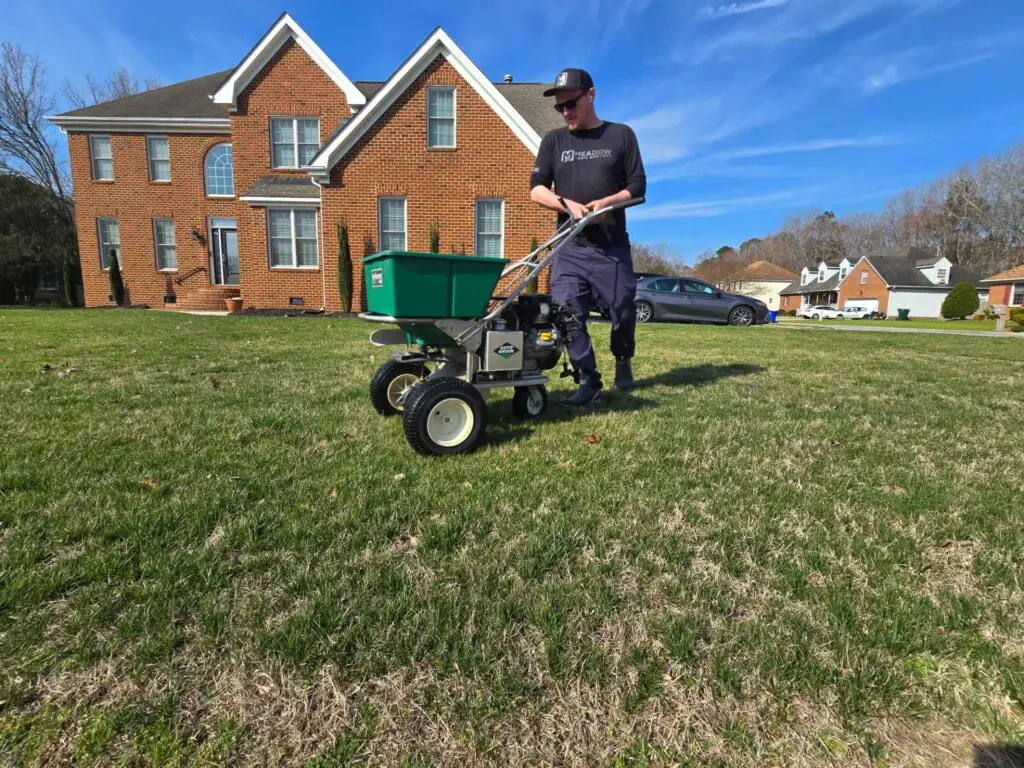
After each application, keep people and pets off the treated lawn until it has completely dried, which typically takes 1 to 2 hours. Once dry, there are no extended re-entry restrictions — the product is absorbed into soil and is non-toxic after drying. Delay watering or running your irrigation for 2 to 4 hours after treatment to allow Repellex to penetrate to mole tunnel depth. After the waiting period, light watering is actually beneficial — it helps the product move deeper into the soil profile where moles are most active. Do not be alarmed if you see mole activity shift to new areas of the lawn after Round 1 or Round 2; this is the displacement process working as intended and will be addressed by expanding coverage in the next round. Watch for a gradual reduction in new tunnel formation as the program progresses through the three displacement rounds.
Keeping Moles Out Long-Term — Why Maintenance Treatments Matter
Completing the 3-round displacement phase pushes existing moles out of your lawn, but without ongoing maintenance, new moles from neighboring properties will likely migrate in over time — typically within 2 to 6 months depending on mole pressure in your area. Maintenance treatments applied every 6 weeks keep the repellent barrier active and create a continuous deterrent against re-entry. Most customers settle into a routine of 3 to 4 maintenance treatments per year, with spring and fall being the highest-priority periods because mole activity peaks during those seasons. Properties near wooded areas or with heavy surrounding mole pressure may benefit from the full 6-week interval year-round. If mole pressure is low after the first year, we can adjust the maintenance schedule to seasonal-only treatments to reduce cost while still protecting your lawn from the most active periods.