
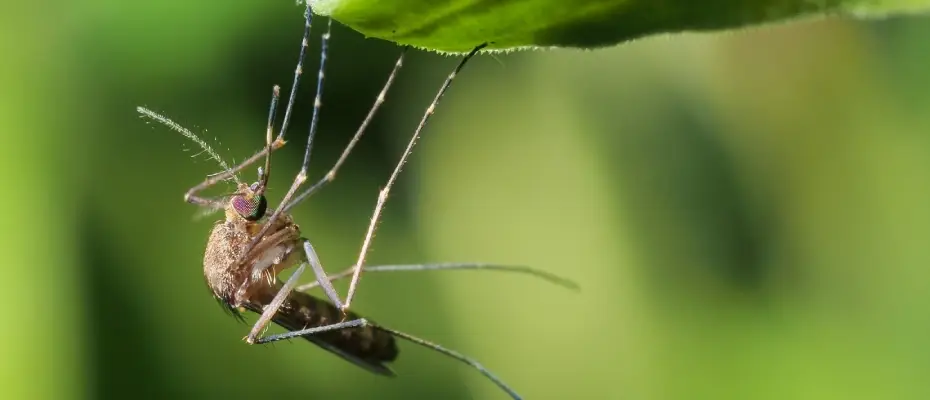
Short Answer: Adulticide barrier sprays alone are not enough for a serious mosquito reduction program in Hampton Roads. The yards that get the best results combine four things: a standing water audit that finds every breeding source on the property (it is almost always more than you think), targeted larvicide treatments in the water sources you cannot eliminate, habitat changes that remove the cool damp resting spots adult mosquitoes need during the day, and a barrier spray on a regular interval. Skip any one of those and you are leaving mosquitoes a way to keep showing up. The whole program is what works, not any single piece of it.
Every spring, somebody calls us in late May and says, “We sprayed last year and it did not work.” Then we visit the property and find three bird baths that have not been emptied in weeks, a tarp over a wheelbarrow holding two gallons of stagnant water, gutters packed with leaves, and a French drain outflow that is essentially a mosquito nursery. The spray was doing its job. The yard was just producing new mosquitoes faster than the spray could knock them down.
If you live in Hampton Roads and you have been frustrated with mosquito pressure on your property, this is the post for you. Here is how we actually build a program that works in our coastal Virginia climate.
Step One: The Standing Water Audit
Mosquitoes need standing water to reproduce. Different species have different preferences, but the two that drive most of the biting pressure in our area (Aedes albopictus, the Asian tiger mosquito, and various Culex species) breed in remarkably small amounts of water. A bottle cap full is enough for some species. A clogged gutter is a five-star resort.
When we do a standing water audit on a Hampton Roads property, here is the checklist we walk through. Gutters. Downspout extensions. Corrugated drainage pipes (these almost always hold water in the low spots). Plant saucers under outdoor potted plants. Bird baths. Pet water bowls left outside. Children’s toys, sandboxes with covers, kiddie pools, wading pools. Tarps covering grills, woodpiles, or outdoor furniture. Trash cans and recycling bins left open in the rain. The folds in furniture covers. Tire swings. Wheelbarrows. Boats and boat covers. Old tires. AC condensate drip lines. Sump pump discharge areas. Low spots in the lawn. Tree hollows and forks of branches. Pool covers. Inflatable pool toys. And anywhere a previous owner buried a planter or left a piece of equipment that is now collecting rain.
On the average half-acre Hampton Roads property, we typically find between 8 and 20 breeding sources during a first audit. Most homeowners are surprised by 80 percent of them. Once you know they exist, eliminating or modifying them is the single highest-impact thing you can do for mosquito control all season.
Step Two: Larvicide for the Water You Cannot Eliminate
Some water sources cannot be drained. A rain barrel by design holds water. A koi pond is full of water you want there. A wetland buffer or stream edge on the back of the property is supposed to be wet. Storm drains and catch basins on the street collect water during every rain. Drainage swales that take longer than 72 hours to dry out are functioning the way they were designed.
This is where larvicide comes in. The most common one we use is Bacillus thuringiensis israelensis, often called Bti. It is a naturally occurring soil bacterium that targets mosquito larvae specifically. It does not harm fish, birds, mammals, beneficial insects, or pets. It comes in granular form, in dunks (small donut-shaped pellets that float on the water and release the bacterium over 30 days), and in liquid concentrate. We use the format that matches the application.
Larvicide is the most underused tool in residential mosquito control. Most homeowners have never heard of it. But targeting larvae before they become biting adults is often more effective per dollar spent than any amount of adulticide spraying. We include larvicide treatments as a standard part of our mosquito program in our service area.
Step Three: Habitat Changes That Reduce Adult Mosquito Resting Sites
Adult mosquitoes spend most of their lives not biting. They are resting in cool, shaded, humid spots during the heat of the day, then coming out to feed at dawn, dusk, and into the night. If you reduce the resting habitat, you reduce the population of adults that can ever reach you.
The big habitat factors on a Hampton Roads property are dense low ground cover, ivy beds, unmaintained shrub interiors, leaf piles that sit untouched, and tall weedy borders along fence lines. None of those need to be eliminated entirely. But thinning ivy beds, opening up the interiors of dense shrubs through pruning, removing leaf litter regularly from the corners of the yard, and keeping a mowed transition zone between manicured lawn and wooded edge all reduce mosquito resting habitat significantly.
We also look at airflow. Mosquitoes are weak flyers and they avoid moving air. Properties with a screened porch surrounded by tall dense plantings on three sides will have more mosquito pressure than properties with the same porch but open lawn around it. Sometimes the right move is removing or thinning a wind block of shrubs that you did not realize was creating a still-air pocket where mosquitoes can congregate.
Step Four: The Barrier Spray, Done Correctly
Now we add the barrier spray. A properly applied barrier treatment targets the underside of foliage, the lower portions of shrubs, the shaded sides of fence lines and outbuildings, ground cover beds, and any other surface where adult mosquitoes are likely to rest during the day. The product binds to plant tissue and continues working for several weeks, killing adult mosquitoes that contact it.
Notice what we did not say. We did not say a barrier spray is a fog you walk through to kill the mosquitoes in the air. That is not how it works. The spray is residual. It builds a treated surface that mosquitoes contact when they rest. That is why proper application technique and proper product selection matter so much. A backpack sprayer in the hands of a trained applicator who knows what surfaces to target will outperform a high-pressure mister run by someone who is just blasting the lawn.
We typically run barrier treatments on a 21 to 28 day interval through mosquito season in Hampton Roads, which generally means May through October. Some properties need a tighter interval. Some need a looser one. The audit results and the habitat work tell us which.
What a Real Mosquito Program Costs (and Why It Is Worth It)
A typical Meadow Lawn & Pest mosquito program for a residential property runs on a per-treatment basis with the season laid out in advance. We include the initial audit, larvicide where appropriate, the barrier spray, and a callback if pressure gets out of hand between treatments. We also share the habitat findings in writing so you can address the items on your end (the gutter cleanings, the toy that needs to come inside, the saucer that needs to be dumped) that no spray can fix for you.
The properties that follow through on the habitat and water side of the audit see dramatically better results than the ones that ask us to just spray. That is not a sales pitch. That is what 17+ years of Hampton Roads mosquito work has taught us. The spray is the smallest piece of the puzzle.
If you are ready for a season where you can actually use your backyard, call (757) 238-8901 or request a quote at stg-5eq9zo.elementor.cloud/. We will come out, walk the property with you, identify the breeding sources, and build a program that works.
Mosquitoes are beatable in Hampton Roads. It just takes more than a spray truck and a hopeful attitude.